Last Updated: November 2, 2026
Quick Summary
Pomcar vs LemonSquad cannot be settled with verified 2026 data, because the available ratings and figures lack dates and methodology. The most reliable way to compare them is to request the same written inspection scope and all-in quote from each, and to review a sample report from each before booking.
- Verifiable 2026 data comparing Pomcar and LemonSquad is limited, so treat ratings as starting points only.
- Ask each provider to mark every checklist item as included, add-on, or excluded in writing.
- Request an all-in quote covering base fee, vehicle surcharge, travel fee, add-ons and tax.
- A mobile inspection cannot fully verify the undercarriage, internal transmission or brake lining without a lift.
- Review a sample report from each provider to check severity labels, photos and stated limits.
Table of Contents
- Pomcar vs LemonSquad: What Can Be Verified Today
- What Does a Pre-Purchase Inspection Include at Each Provider
- Pre-Purchase Inspection Cost: Comparing Fees and Add-Ons
- How Long a Pre-Purchase Inspection Takes Before You Decide
- Reading a Used Car Inspection Report: What to Look For
- Reviews, Complaints and Why Independent Evidence Matters
- Booking Your Inspection Before the Offer Deadline
- Frequently Asked Questions
Choosing between Pomcar and LemonSquad for a pre-purchase inspection is harder than it should be, and most online material on pomcar vs lemonsquad is either a sales pitch or an unsourced review. Verifiable facts are thin. This guide from Whyte Knyte Inspection separates what can be checked today from what cannot.
Pomcar vs LemonSquad: What Can Be Verified Today
Independently verifiable data comparing these two services for 2026 is limited. Third-party pages list ratings and figures, but without clear publication dates or methodology, they cannot be confirmed as reflecting current conditions.
That gap matters. A buyer should treat any single rating or complaint count as a starting point, not a verdict. Before you pay for anything, confirm current pricing, coverage area and turnaround directly with each company, and ask for a sample report.
What Does a Pre-Purchase Inspection Include at Each Provider
A pre-purchase inspection is a third-party check of a used vehicle before you finalize the sale. Our independent car inspection guide explains what a thorough pre-purchase check covers.
Neither Pomcar nor LemonSquad publishes a single, dated, line-by-line checklist that can be verified as current for 2026. What follows is the scope a competent mobile pre-purchase inspection should cover, framed as a buyer checklist you can hold each provider to.
The buyer checklist: what a mobile inspection should cover
Use this list when you request a quote. A provider that answers each line concretely gives you a usable scope; a vague answer does not.
- Engine and drivetrain. Cold-start behavior, visible leaks, fluid condition, belt and hose condition, and a scan for stored and pending diagnostic trouble codes (DTCs). A mobile inspector can read codes with an OBD-II scanner but generally cannot perform compression or leak-down tests.
- Transmission and driveline. Fluid color and smell, shift quality during the road test, and obvious leaks. Internal transmission condition usually cannot be verified without disassembly.
- Brakes. Pad and rotor thickness where visible, pedal feel, and ABS warning lights. A mobile inspector typically cannot measure drum brake lining without removing wheels.
Send the provider your own checklist before booking and ask them to mark each line as included, add-on, or not covered. A written response is far more useful than a phone answer.
Mechanical and cosmetic checks
Mechanical checks cover how the car runs: engine, transmission, brakes, steering and suspension. Cosmetic checks cover body panels, paint, glass and interior wear.
Mobile inspections typically document cosmetic findings well with photos, while mechanical findings are limited to what can be seen and heard without a lift. That is a structural limit of mobile inspection, not a flaw unique to either provider.
Flood damage and odometer checks
Flood damage and odometer irregularities are the findings buyers most often miss on their own. Look for musty odors, silt under carpets, rust in unusual places and mismatched wear against the mileage shown. A thorough inspector will check these areas directly and cross-reference the vehicle history report.
Ask each provider whether it pulls a vehicle history report (for example, CARFAX or AutoCheck) or expects you to supply one.
What a mobile inspection cannot verify
This is the part most comparison pages skip. A mobile inspector working in a parking lot or driveway generally cannot:
- Put the vehicle on a lift to inspect the undercarriage, subframe, or exhaust in full.
- Perform compression, leak-down, or cylinder-balance tests.
- Remove wheels to measure brake lining or inspect wheel bearings.
If a report is silent on these limits, do not assume the inspection covered them. Ask directly, and if a suspected issue matters to your decision, budget for a specialist inspection at a shop with a lift.
How to compare the two providers on scope
Because neither company’s current checklist could be independently verified for 2026, compare them as you would any two service quotes:
- Request the written checklist from each and mark every line on the buyer checklist above as included, add-on, or excluded.
- Ask for a sample report from each and check whether findings are labeled by severity, whether photos accompany each finding, and whether the report states what was not inspected.
- Ask whether the road test and diagnostic scan are included in the base price or billed as add-ons.
- Ask what happens if the inspector cannot access the vehicle or the seller refuses a road test.
A provider that answers all four in writing is giving you a comparable scope. A provider that answers only the first is giving you a sales page.
The buyer checklist below sets out the core scope a mobile pre-purchase inspection should cover and what it cannot verify.
| Area | What to check | Mobile limit |
|---|---|---|
| Engine and drivetrain | Cold start, leaks, fluids, DTC scan | No compression or leak-down tests |
| Transmission | Fluid, shift quality on road test | Internal condition needs disassembly |
| Brakes | Pad and rotor thickness, pedal feel | Drum lining needs wheels removed |
| Tires | Tread depth in 32nds, DOT codes | Visible wear only |
| Road test | Acceleration, shifting, braking, steering pull | Ask if highway speed is included |
| Diagnostic scan | OBD-II codes and readiness monitors | Cleared codes can hide problems |
| Undercarriage | Frame and exhaust condition | Not fully visible without a lift |
Pre-Purchase Inspection Cost: Comparing Fees and Add-Ons
Cost is the question buyers ask first, and it is also where comparison pages are least reliable. Published prices for mobile pre-purchase inspections change often, vary by market, and are frequently quoted as a range rather than a fixed fee. We could not verify a current, dated price sheet for either Pomcar or LemonSquad for 2026, so we will not present a number as fact.
Treat any price you see on a third-party review site as a starting point, not a quote. Confirm the full price in writing with the provider before you book, and ask what could change it.
The line items that make up an inspection price
Mobile inspection pricing is usually a base fee plus modifiers. Break each quote into these components so you compare the same thing:
- Base inspection fee. The price for a standard passenger car or light truck at a typical location, the number most providers advertise.
- Vehicle-type surcharge. Larger vehicles, heavy-duty trucks, commercial vans, motorcycles, RVs, and exotics often carry a higher fee because they take longer or require different equipment. Ask whether the surcharge applies to your vehicle class.
- Travel or distance fee. If the vehicle is outside the inspector’s standard service radius, a mileage or trip fee may apply. Ask for the radius and the per-mile rate beyond it.
How to build an apples-to-apples quote comparison
Because base prices differ and add-ons are priced separately, the only reliable comparison is a written, all-in quote for the same vehicle, location and scope. Use this framework:
- Fix the scope first. Send both providers the same buyer checklist (see the scope section above) and ask them to price it.
- Request the all-in total in writing. Ask for base fee, vehicle surcharge, travel fee, add-ons, tax, and any platform fee as separate lines.
- Ask what is included at no extra charge. A road test, diagnostic scan, photos, and a written report should be confirmed as included or priced.
- Ask about the second-visit policy. If the first inspection finds a deal-breaker, you may not need a second visit, but if the seller fixes an issue and you want a re-check, know the cost in advance.
- Compare the report, not just the price. A cheaper inspection that delivers a one-page summary with no photos is not the same product as a photo-documented report with severity labels.
Ask each provider: “What is the total I will pay, in writing, for this vehicle at this address with this checklist, including tax and any fees?” The answer to that single question is the only price comparison that matters.
Why published prices are hard to verify
Mobile inspection is a locally delivered service, so pricing is often set by market and by the individual inspector or franchise.
Most comparison pages quote a number without a date, location or scope, so the reader cannot tell whether it applies to their situation. Treat published figures as directional and build your own written quote comparison using the framework above.
The cost of getting it wrong
The inspection fee is small relative to the repair risk it is meant to catch. A mobile inspection that misses a transmission problem, frame damage, or flood history can cost far more than the difference between two quotes.
If a provider’s quote is significantly lower than another’s, ask what is excluded. Common explanations are a shorter road test, no diagnostic scan, no undercarriage photos, or a summary report rather than a detailed document.
How Long a Pre-Purchase Inspection Takes Before You Decide
Turnaround depends on the provider’s schedule, travel to the vehicle and the length of the inspection. Many buyers want the report before an offer deadline, so confirm timing early.
Ask each company for its typical turnaround and whether it can meet your deadline. If you are working against a tight window, book as soon as you have the vehicle’s location and seller contact.
Reading a Used Car Inspection Report: What to Look For
A good report separates critical safety issues from minor wear, with clear photos, specific measurements where relevant, and a plain-language summary of what needs repair now versus what to monitor. Our used car inspection report sample guide shows how these findings are laid out and what they mean.
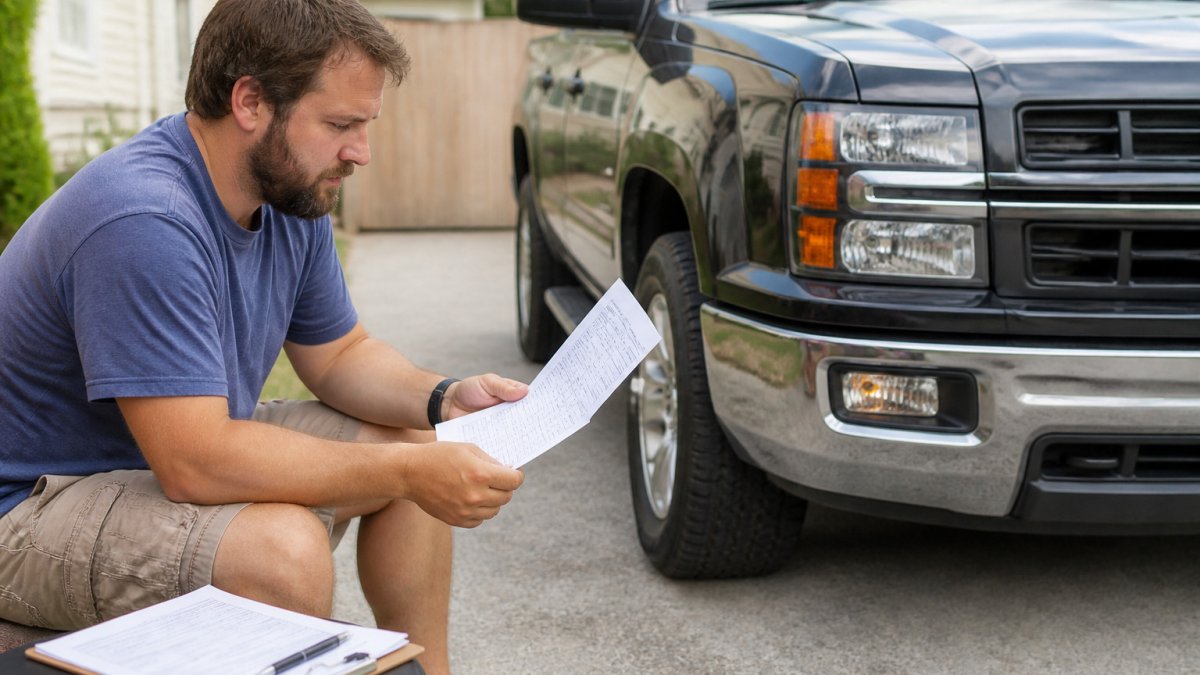
A common mistake is focusing only on the overall rating. Read the detailed findings instead, a report listing specific items with photos is more useful than a single score with no explanation. Review a sample report from each provider before deciding.
Reviews, Complaints and Why Independent Evidence Matters
Online complaints can be useful, but they need context. You can read our customer reviews directly to check the feedback for yourself. One widely shared post criticized Lemon Squad, citing delays, poor communication and unmet expectations.
Independent evidence means a reputable source with a stated methodology, a clear date and enough detail to assess it. Where that evidence is missing, rely on direct questions to the provider and a sample report.
Booking Your Inspection Before the Offer Deadline
Once you have chosen a provider, book early and confirm the scope of the inspection, the expected report delivery time and whether the inspector can access the vehicle at its current location. If you are short on time, you can book a fast-turnaround vehicle inspection and schedule it right away.
Whyte Knyte Inspection offers mobile pre-purchase inspections that travel to the vehicle, whether it sits at a dealership, with a private seller or at an auction lot. Our inspectors deliver comprehensive, photo-documented reports within 24-48 hours, and we have zero financial interest in the transaction.
Frequently Asked Questions
Is Pomcar or Lemon Squad better for a pre-purchase inspection?
Neither provider can be declared better from the research available for this comparison. The verifiable differences are limited to published service claims, and independent reviews are mixed. Compare the inspection scope, report sample, turnaround commitment and total price for your specific vehicle, then ask each company for a sample report before paying. Whyte Knyte Inspection can also be evaluated on the same criteria, and its website lists current service details and quotes.
What does a pre-purchase inspection include?
A typical pre-purchase inspection covers the engine, transmission, brakes, suspension, tires, frame, rust, exterior and interior condition, a diagnostic scan and a road test, with photos documenting findings. Check whether a provider also checks for flood damage and odometer irregularities, since these are not visible on a quick walkaround. Ask for the exact checklist in writing so you can compare providers on equal terms.
How long does a pre-purchase inspection take?
Whyte Knyte Inspection delivers comprehensive, photo-documented reports within 24-48 hours of the inspection. Turnaround for other providers should be confirmed directly, because published timelines were not independently verified for this comparison. If you have a short deadline, confirm the report delivery time before scheduling, not just the inspection appointment.
