Table of Contents
- Why Pomcar Alternatives Matter for Collector Car Buyers
- Pre-Purchase Inspection Checklist for Classic Cars
- Used Car History Report vs Physical Inspection
- Top Pomcar Alternatives: Whyte Knyte Inspection
- Specialized Classic Car Appraisal Services
- Mobile Vehicle Inspection Cost and Service Models
- How to Choose the Right Inspection Service for Your Purchase
- Conclusion
- Frequently Asked Questions
Last Updated: September 28, 2026
Why Pomcar Alternatives Matter for Collector Car Buyers
Buying a collector car without professional inspection risks hidden damage costing thousands to repair. Pomcar alternative collector cars reveal what’s beneath the surface before you commit.
Hidden frame bends, engine damage, or rust can cost thousands to fix, problems a pre-purchase inspection prevents. Independent assessment services protect your investment.
Collector cars require specialized inspection beyond standard used car checks. The right service bridges the gap between visible condition and actual investment value.
Pre-Purchase Inspection Checklist for Classic Cars
Classic cars require specialized inspection beyond tire tread and fluid levels, focusing on authenticity markers and vintage mechanical systems that generic services overlook.
Engine and Mechanical Systems
Engine diagnostics must evaluate compression, fuel delivery, and ignition systems specific to the vehicle’s era. Inspectors should verify matching numbers, engine block, transmission ID, and differential code, against factory documentation.
Compression testing reveals cylinder wear, but acceptable readings vary by era.
Chassis, Frame, and Rust Assessment
Frame inspection reveals welds, repairs, and hidden damage. Rust location matters: surface rust is cosmetic; perforation in floor pans, rocker panels, or frame rails indicates structural compromise requiring expensive restoration.
Paint depth measurement reveals repainting history, which affects value and authenticity. Original paint commands a premium. Uneven panel gaps suggest accident repair or amateur restoration.
Originality and Provenance Verification
Originality assessment includes:
- Original upholstery and trim: Replacements reduce authenticity value.
- Correct parts for model year: Substitutions indicate restoration or parts-bin assembly.
- Service history: Original records increase provenance and value.
- Title and ownership chain: Verify VIN match and clear ownership history.
Electrical and Fuel System Evaluation
Electrical system verification includes lights, gauges, fuel system integrity, battery output, and wiring condition. Electrical problems are common in older vehicles and expensive to repair.
Brake and Suspension Systems
Brake testing includes pedal feel, stopping distance, pad/shoe condition, and fluid quality. Worn suspension components affect handling and add to restoration costs.
Drivetrain Analysis
Test drive evaluation verifies smooth gear engagement, fluid levels, and absence of leaks.
Documentation and Photo-Documented Reports
Photo-documented reports with high-resolution photography allow you to review findings later and share with mechanics or appraisers. Reports should include undercarriage, engine bay, and interior photos plus paint depth measurements and detailed written findings.
A solid inspection covers engine diagnostics, rust assessment, interior condition, service history, electrical systems, brakes, suspension, drivetrain, paint depth, and originality verification with photo documentation. The best inspections tell a story about the vehicle’s history, condition, and what restoration work lies ahead.
Used Car History Report vs Physical Inspection
History reports reveal title status and accident history but cannot detect current mechanical condition or hidden damage. A vehicle with clean title history could still have serious problems. The most effective approach combines history reports for background verification with physical inspection for actual condition assessment.
| Assessment Type | What It Covers | What It Misses | Best Used For |
|---|---|---|---|
| History Report | Title status, accident records, service history | Current mechanical condition, hidden damage | Baseline verification before inspection |
| Physical Inspection | Mechanical condition, structural integrity, current state | Historical ownership patterns | Detailed condition assessment |
| Combined Approach | Title verification + mechanical assessment | Nothing significant | Complete pre-purchase confidence |
Top Pomcar Alternatives: Whyte Knyte Inspection
Whyte Knyte Inspection stands out as a leading Pomcar alternative for collector cars because it combines mobile convenience with specialized expertise. Our inspectors travel directly to your vehicle, whether at a dealership, private seller’s location, or auction lot, and deliver comprehensive, photo-documented reports within 24-48 hours.
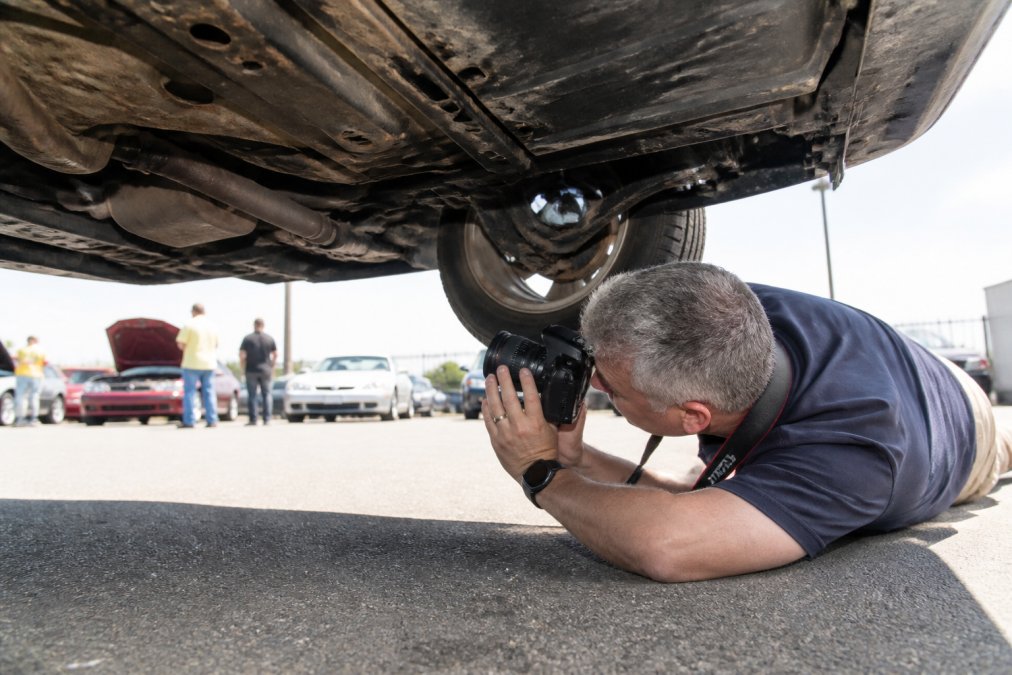
Whyte Knyte Inspection maintains independence, zero financial interest in whether you buy. We’re not moving inventory like dealers or justifying sales like seller’s mechanics. We advocate for you. Our mobile inspectors understand classic mechanical systems and vintage vehicle value considerations.
Whyte Knyte Inspection offers mobile service, zero financial stake, 48-state coverage, comprehensive photo-documented reports, and 24-48 hour turnaround. When buying out of state or from private sellers, our inspectors become your trusted advocate, catching issues you’d miss.
Specialized Classic Car Appraisal Services
Specialized classic car appraisal services evaluate authenticity, provenance, and market value for rare or high-value vehicles. They verify originality, assess restoration quality, and authenticate documentation. Specialists in specific marques or eras provide invaluable context but typically operate in limited areas and require longer scheduling. For high-value purchases, this specialized expertise often proves worthwhile.
Mobile Vehicle Inspection Cost and Service Models
Inspection pricing varies by vehicle type, location, and report complexity. Understanding pricing models helps you choose the right service and budget appropriately.
Pricing Models and Cost Structure
Most services charge per-inspection. For collector cars, comprehensive or specialized tiers are worthwhile, an inspection preventing a major failure pays for itself immediately.
Technician Credentials and Accountability
Before booking an inspection, verify the inspector’s qualifications. Look for:
- ASE Certification:
- Experience with your vehicle type: Ask how many inspections the technician has performed on vehicles similar to yours. A technician with 500+ classic car inspections brings expertise that a generalist doesn’t.
- Liability insurance:
- References and track record: Check online reviews and ask for references from previous clients. A service with consistent positive feedback and a long operating history is more reliable than a solo operator with no verifiable history.
Liability and Insurance Coverage
This is where many buyers stumble. If an inspector misses a major mechanical fault, say, a cracked engine block or transmission failure, what recourse do you have?
However, E&O insurance has limitations:
- Coverage thresholds:
- Causation requirements: The insurance only covers claims if the inspector’s negligence directly caused the loss. If an inspector documented a mechanical issue but you missed it in the report, the claim may be denied.
- Time limits:
For this reason, liability coverage is important but not a complete safety net. The best protection is choosing an inspector with a strong reputation and track record, not relying solely on insurance coverage.
What Happens If an Inspector Misses Something
If you purchase a vehicle and later discover a major mechanical fault that the inspector should have caught, your options are limited:
- Contact the inspection service: Explain the issue and provide documentation (repair estimates, mechanic reports). A reputable service may offer a partial refund or re-inspection at no charge.
- File a claim with their E&O insurance:
- Small claims court:
- Accept the loss: In many cases, buyers end up absorbing the cost of unexpected repairs. This is why choosing a reputable service upfront is critical.
The takeaway: liability coverage exists, but it’s not foolproof. Your best protection is selecting an inspector with credentials, experience, and a strong reputation, not betting on insurance to cover your losses.
Service Model Comparison
Whyte Knyte Inspection operates on a straightforward per-inspection model. Your actual cost depends on vehicle type, location, and specific requirements. For current pricing and quotes, contact Whyte Knyte Inspection directly to discuss your particular purchase scenario.
Factors affecting inspection pricing:
- Vehicle type (compact car vs. heavy truck vs. specialty vehicle)
- Inspection location and travel distance
- Report complexity and photography depth
- Turnaround time requirements (rush reports cost more)
- Additional diagnostics or specialty testing needed (compression testing, electrical diagnostics, etc.)
The Real Cost of Skipping an Inspection
Don’t view inspection cost as an expense to minimize. View it as insurance against a bad purchase. Consider two scenarios:
Scenario 1: You skip the inspection to save money. You purchase a vehicle with hidden frame rust. Six months later, a restoration shop quotes a significant amount to repair the frame. Total loss: a significant amount.
Scenario 2: You pay for a comprehensive inspection. The inspector documents frame rust and recommends restoration. You negotiate the price down based on the inspection findings. Total cost: inspection cost + price reduction = money saved.
In most cases, a professional inspection either prevents a bad purchase or gives you leverage to negotiate a better price.
How to Choose the Right Inspection Service for Your Purchase
Selecting the right inspection service depends on your specific situation. A collector car purchase differs from buying a daily driver. A fleet purchase differs from a one-time private sale.
Conclusion
Buying a collector car without professional inspection is gambling with your money. The right Pomcar alternative collector cars service, one that combines mobile convenience, specialized expertise, and genuine independence, protects your investment and gives you confidence to negotiate from a position of knowledge.
Frequently Asked Questions
What should be included in a pre-purchase inspection for a collector car?
A comprehensive pre-purchase inspection for a collector car must cover mechanical integrity, engine diagnostics, chassis inspection, underbody rust assessment, suspension components, brake system performance, electrical system testing, and fluid analysis. High-resolution photography of the interior condition, paint depth measurement, and service history verification are equally critical. Independent evaluators should verify the VIN, check accident history, and assess odometer accuracy. For classic cars, specialized knowledge of vintage mechanical systems and authenticity verification adds essential value that generic inspections miss.
How does a used car history report compare to a physical inspection?
A used car history report reveals accident history, title status, odometer verification, and service records, but it cannot detect hidden damage like frame damage, flood damage, or mechanical wear. A physical inspection by a qualified technician identifies real-time mechanical and structural issues through hands-on diagnostics and visual assessment. For collector cars, third-party verification through on-site inspection is irreplaceable because history reports miss condition-specific problems that affect authenticity and value. Use both tools together: history reports provide context, while physical inspections catch what documents cannot reveal.
Why is a specialized inspection necessary for vintage vehicles?
Vintage vehicles have unique mechanical systems, materials, and wear patterns that differ significantly from modern cars. A specialized classic car appraisal service understands the nuances of vintage engineering, can assess provenance and authenticity, and knows which issues are cosmetic versus structurally serious. Generalist inspectors may miss critical problems specific to older models or misidentify restoration quality. For high-value acquisitions, specialized expertise protects your investment by ensuring accurate mechanical integrity assessment and fair market valuation based on collector-car standards.
What are the main red flags to look for in a collector car inspection report?
Critical red flags include underbody rust or frame damage, evidence of flood damage (water stains, corrosion in electrical systems), odometer rollback indicators, mismatched paint or body panels suggesting accident repair, and service history gaps. Engine diagnostics showing compression loss or unusual wear patterns, suspension components with excessive play, and brake system performance below safety standards are serious concerns. Inspect the report for transparency: detailed photo documentation, specific component assessments, and technician credentials build confidence. Vague reports or missing sections suggest the inspection lacked rigor.